
How Peter (and Jesus) offer us a slightly different approach to preparing for and surviving the apocalypse.
I haven’t had my finger on the pulse of Christian pop culture for a while now, but I once did. Regular trips to the representative local bookstore, with its racks overflowing with CDs from the latest sanctified knockoffs of popular secular music, its shelves replete with fictional mutterings mimicking J.K. Rowling, R.L. Stine, S.E. Hinton, and more, and with vaguely spiritual tchotchkes sprinkled throughout as garnish, kept me up to date.
There was a time when those trips to Family Christian Bookstore were motivated by a particular obsession: locating and purchasing the next installment in the bestselling series, Left Behind. And there were a lot of next installments.
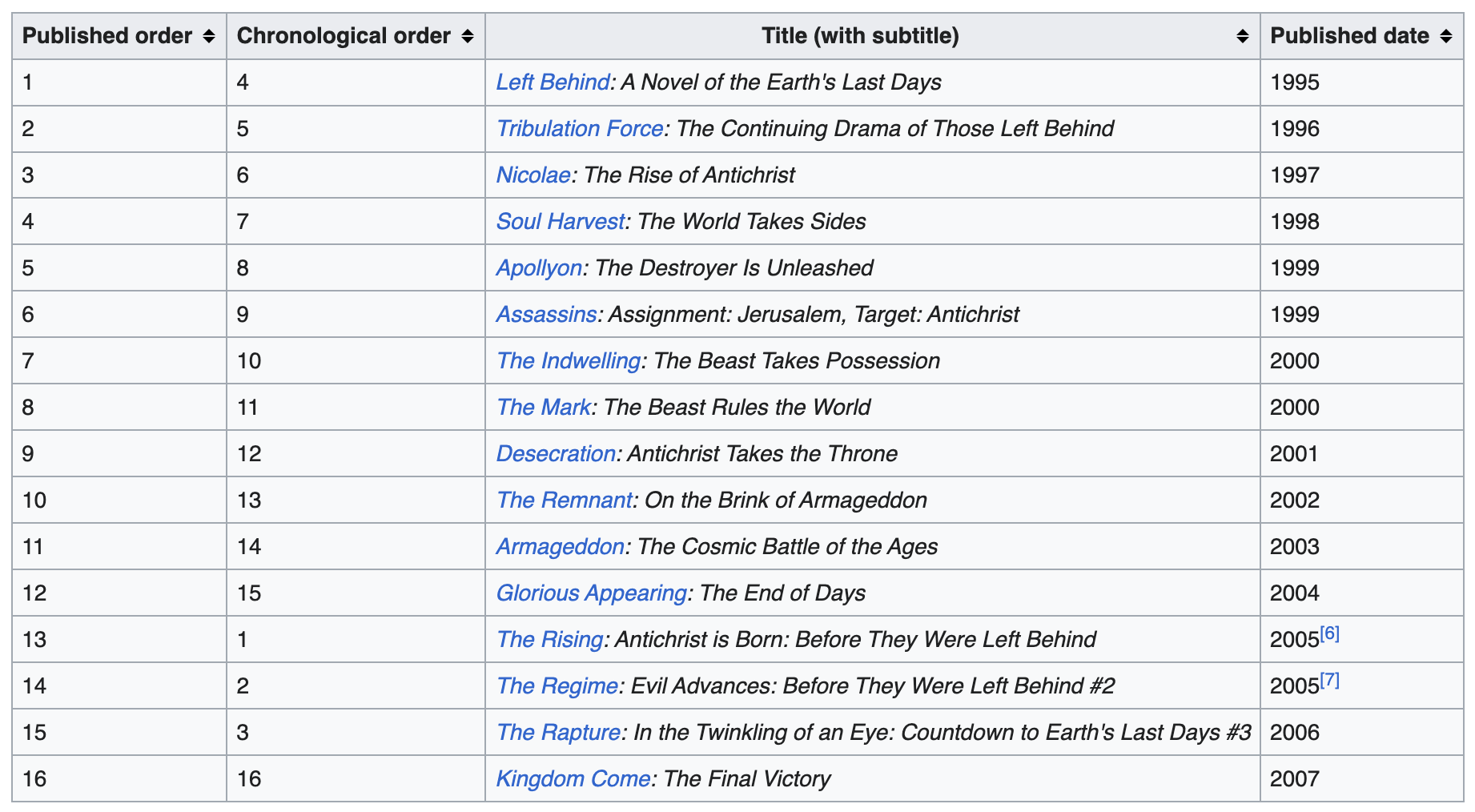
This novelization and serialization of the end times visions of John, author of the Book of Revelation, took the church scene by storm in the 90s and early 00s. Like every other “good” Christian then, I got caught up in the excitement.
The series imagines what the seven-year Great Tribulation would be like—the answer: terrible. Death and destruction follow the surprising disapparation of millions in the Rapture. Antichrist, one world government, syncretistic religion, plagues, starvation, the Mark of the Beast…this series has all the good stuff, and it hooked thirteen-year-old me, along with millions of others, if the sales reports are accurate.
And it was all just a “flavor-of-the-month” thing. You can hardly give your original twelve-volume set of Left Behind to Goodwill because they’ve already got three complete sets on their shelves.
It turns out that obsession with the “end times” is nothing new for Christ’s people, but the results have not always been as benign as a glut of cheap paperbacks. Consider:
Paul tells the Thessalonians that they should imitate him and not be idle. Scholarly tradition tells us that the Thessalonian believers were quitting their jobs to wait for Jesus to return. Those who continued working were forced to provide food and shelter for those who didn’t.
The Children’s Crusade was a movement of, well, children in the Middle Ages marching to Jerusalem where they would preach the gospel, the heathens would be converted, and Jesus would return. Jesus didn’t, and most of the kids ended up sold as slaves or drowned when their ships sank.
William Miller, Baptist preacher, and end times guru, drew a line in the sand and stated that Jesus would return on October 22, 1844. He didn’t, but Millerites went on to start several new cults, anyway.
It’s not just the Christians: apocalyptic, dystopian imaginings are in vogue in the popular conscience right now. Everyone is obsessed with the End.
This makes Peter’s words in chapter four of his first epistle even more relevant:
“The end of all things is near…”
Based on Christian and non-Christian history, a statement like that should be followed by doomsday ranting, detailed prepper notations, or some other craziness. But Peter doesn’t tell his audience to steal food and hoard ammunition. Instead, his prescription is a bit more shocking:
“…therefore, be alert and sober-minded for prayer.”
Really, Peter? The end is near, so keep your head on straight and pray? That’s your advice?
Well, that’s not all. Peter tells his readers to love one another, be hospitable, serve others, share God’s Word, rejoice, trust and glorify God, and do good. That’s all a little bland for the “end of all things,” don’t you think?
But Peter’s instructions are surprisingly (or unsurprisingly) much like Jesus’ teaching about the end times. When the disciples come to him, desperate to have their eschatological itch scratched, Jesus disappoints them by saying something shockingly unapocalyptic: Be alert, keep working, don’t freak out.
“Watch out that no one deceives you… see to it that you are not alarmed…if anyone tells you, ‘There he is’…or, ‘Here he is…’ do not believe it. For as lightning that comes from the east is visible even in the west, so will be the coming of the Son of Man…keep watch…be ready…It will be good for that servant whose master finds him doing [his job of caring for others] when he returns.”
The end of all things isn’t something we need to worry about. Peter and Jesus say we must greet it with steadfast obedience, not panicked shouting.
It’d be hard to write a best-selling novel series with that premise but think how it would change our homes and churches if we believed and lived it.
 Of Shepherds and Sheep